Eco-Friendly Cleaning Methods for a Better Home
- Laura Gill
- Nov 23, 2025
- 4 min read

Keeping your home clean is essential for health and comfort. However, many traditional cleaning products contain harsh chemicals that can harm the environment and your well-being. Switching to eco-friendly cleaning methods is a smart choice that benefits both your household and the planet. This guide will explore practical, effective, and sustainable ways to maintain a spotless home without compromising on safety or cleanliness.
Why Choose Eco-Friendly Cleaning Methods?
Eco-friendly cleaning methods use natural, non-toxic ingredients that reduce pollution and minimize health risks. These methods avoid synthetic chemicals, which can cause allergies, respiratory problems, and skin irritation. Additionally, they help conserve water and reduce plastic waste by encouraging reusable containers and homemade solutions.
Some benefits of eco-friendly cleaning include:
Improved indoor air quality: No harsh fumes or strong chemical odors.
Safer for children and pets: Gentle ingredients reduce accidental poisoning risks.
Cost-effective: Many natural cleaners use common household items like vinegar and baking soda.
Environmentally responsible: Less chemical runoff into waterways and reduced plastic packaging.
By adopting these methods, you contribute to a healthier home environment and a cleaner planet.
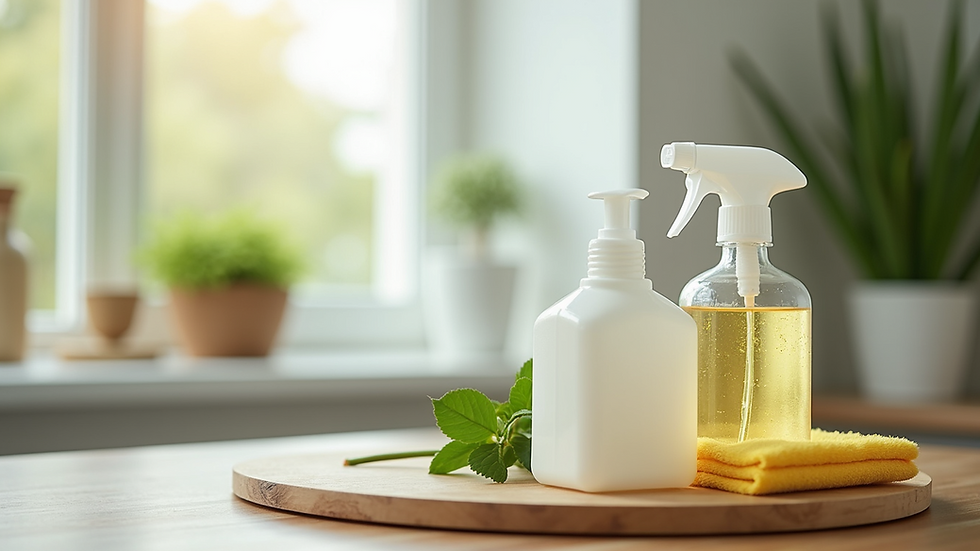
Effective Eco-Friendly Cleaning Methods You Can Try Today
Switching to eco-friendly cleaning does not mean sacrificing effectiveness. Many natural ingredients have powerful cleaning properties. Here are some popular and practical methods:
1. Use Vinegar for Multiple Cleaning Tasks
White vinegar is a versatile cleaner that can disinfect, deodorize, and remove stains. It works well on glass, countertops, and floors.
Mix equal parts water and vinegar in a spray bottle for an all-purpose cleaner.
Use undiluted vinegar to remove hard water stains or soap scum.
Avoid using vinegar on natural stone surfaces like granite or marble, as it can damage them.
2. Baking Soda for Scrubbing and Deodorizing
Baking soda is mildly abrasive and excellent for scrubbing sinks, tubs, and ovens without scratching surfaces.
Sprinkle baking soda on surfaces and scrub with a damp sponge.
Combine baking soda with vinegar to create a fizzy reaction that helps unclog drains.
Use baking soda to neutralize odors in carpets, refrigerators, and trash bins.
3. Lemon Juice for Natural Disinfection
Lemon juice has antibacterial properties and leaves a fresh scent.
Use lemon juice to remove stains from cutting boards and countertops.
Mix lemon juice with olive oil to polish wood furniture.
Combine lemon juice with baking soda to create a paste for tough stains.
4. Castile Soap as a Gentle Cleaner
Castile soap is a plant-based soap that cleans effectively without harsh chemicals.
Dilute castile soap with water for a gentle floor or surface cleaner.
Use it as a base for homemade laundry detergent.
Mix with essential oils for added fragrance and cleaning power.
5. Essential Oils for Added Benefits
Essential oils like tea tree, lavender, and eucalyptus have antimicrobial properties and pleasant aromas.
Add a few drops to homemade cleaners for extra disinfecting power.
Use essential oils in diffusers to freshen indoor air naturally.
By combining these ingredients, you can create customized cleaning solutions tailored to your home’s needs.

Tips for Maintaining a Clean and Green Home
Adopting eco-friendly cleaning methods is just one part of creating a sustainable home. Here are additional tips to keep your space clean and environmentally friendly:
Use reusable cleaning cloths instead of disposable paper towels.
Choose microfiber cloths for effective dusting and polishing.
Avoid single-use plastic bottles by refilling containers with homemade cleaners.
Ventilate your home during and after cleaning to improve air circulation.
Recycle packaging from cleaning products whenever possible.
Opt for energy-efficient appliances like vacuum cleaners and washing machines.
If you prefer professional help, consider hiring a clean services company that specializes in eco-friendly cleaning. They use green products and techniques to keep your home spotless without harming the environment.
How to Make Your Own Eco-Friendly Cleaning Products
Making your own cleaning products is simple, affordable, and reduces waste. Here are some easy recipes to get started:
All-Purpose Cleaner
1 cup water
1 cup white vinegar
10 drops lemon essential oil
Mix ingredients in a spray bottle. Use on countertops, sinks, and windows.
Glass Cleaner
2 cups water
1/4 cup white vinegar
1/2 teaspoon castile soap
Combine in a spray bottle and shake gently before use. Wipe with a lint-free cloth.
Bathroom Scrub
1/2 cup baking soda
1/4 cup castile soap
10 drops tea tree oil
Mix into a paste and apply to tubs, tiles, and sinks. Scrub and rinse thoroughly.
Floor Cleaner
1 gallon warm water
1/2 cup white vinegar
1/4 cup castile soap
Mop floors with this solution for a clean, streak-free finish.
Drain Cleaner
1/2 cup baking soda
1/2 cup white vinegar
Pour baking soda down the drain, followed by vinegar. Let fizz for 15 minutes, then flush with hot water.
These recipes use common ingredients and are safe for most surfaces. Always test a small area first to ensure compatibility.
Making the Switch: Practical Steps to Eco-Friendly Cleaning
Transitioning to eco-friendly cleaning can feel overwhelming, but it’s easier when you take it step-by-step:
Audit your current cleaning products and identify which ones contain harmful chemicals.
Gradually replace conventional cleaners with natural alternatives or homemade solutions.
Invest in reusable cleaning tools like microfiber cloths and refillable spray bottles.
Educate your household about the benefits and proper use of eco-friendly products.
Set a cleaning schedule to maintain a tidy home without overusing products.
Seek professional help if needed, especially for deep cleaning or specialized tasks.
By making small changes over time, you can create a healthier, greener home environment.
Adopting eco-friendly cleaning methods is a rewarding way to care for your home and the planet. With simple ingredients, practical tips, and a bit of creativity, you can enjoy a fresh, clean space that supports your well-being and sustainability goals. Whether you choose to DIY or hire a clean services provider, the benefits of green cleaning are clear and lasting.

Comments